SEOMay 31, 2026
Innovative Strategies to Optimize SEO for Smart Home Devices in 2024
Explore cutting-edge strategies to enhance SEO for smart home devices. Learn how to optimize for the growing trend of IoT and ensure your content remains accessible and effective in the smart home ecosystem.

Understanding the Smart Home SEO Landscape
The rapid expansion of smart home devices has significantly altered the SEO landscape. As more households integrate IoT technology, the need for businesses to adjust their SEO strategies for these devices becomes paramount. In 2024, the focus is shifting towards optimizing content for voice search, enhancing data-driven insights, and ensuring compliance with accessibility standards. Understanding these evolving dynamics is crucial for any business looking to maintain a competitive edge in the digital market. The smart home ecosystem includes a wide array of devices, such as smart speakers, thermostats, and security systems, each offering unique opportunities for SEO optimization.
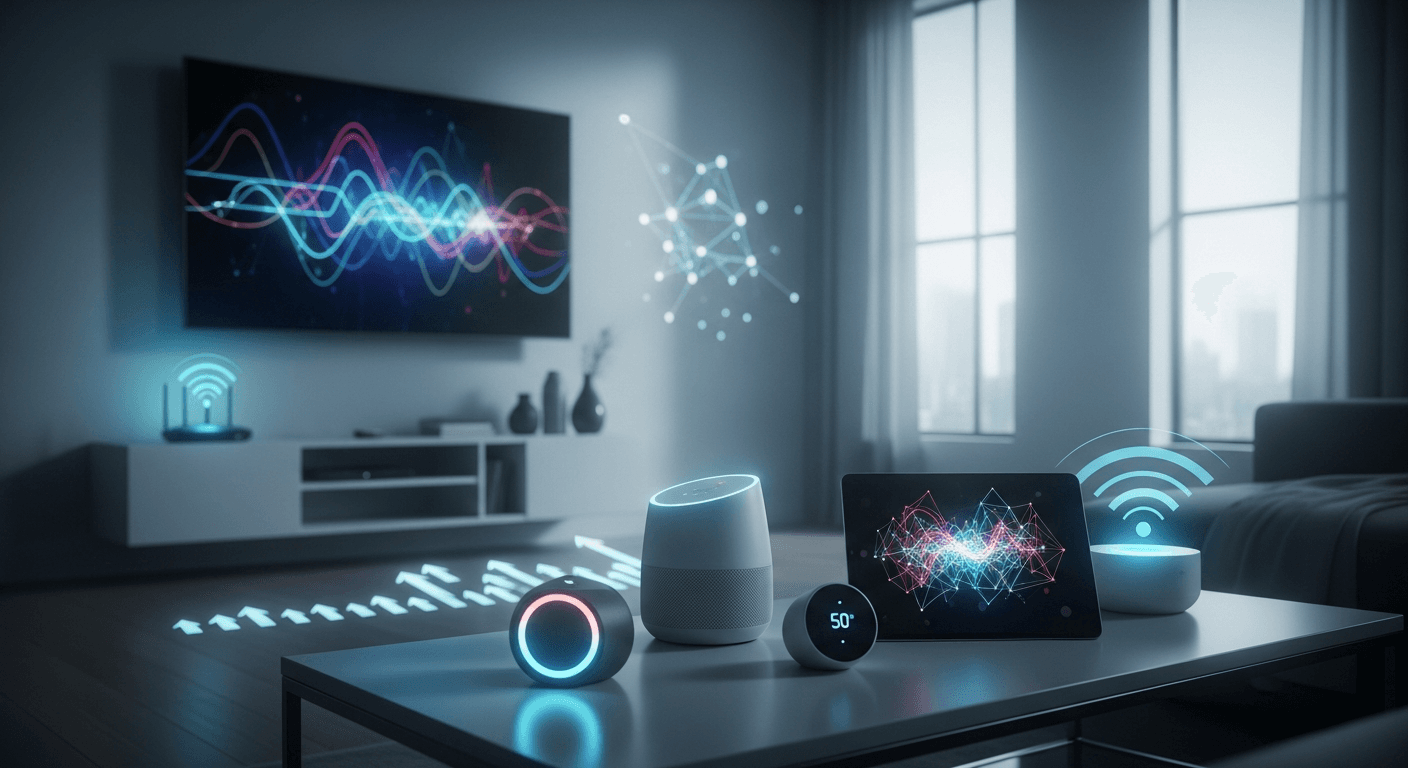
Smart home devices, ranging from voice-activated assistants like Amazon Alexa and Google Home to smart thermostats like Nest, generate a wealth of data and present unique challenges and opportunities for SEO. Traditional SEO practices are evolving to accommodate these changes, emphasizing the importance of a multi-faceted approach that considers device-specific interactions and user behavior. For instance, content marketers need to consider how their content can be optimized for a device that relies heavily on voice commands and auditory feedback rather than text-based interactions.
- Increased reliance on voice search
- Integration of AI and machine learning
- Focus on user experience and accessibility
With the integration of AI and machine learning into these devices, the potential for predictive analytics in SEO increases. This means content can be tailored not only to current user queries but also to anticipated future needs, enhancing user satisfaction and engagement. This proactive approach requires a solid understanding of the technology driving these devices and the ability to leverage it effectively within SEO strategies.

Adapting SEO Strategies for IoT Devices
As IoT devices become more prevalent, SEO strategies must adapt to this new paradigm. Understanding how these devices operate and the types of queries they handle is essential for effective optimization. This involves analyzing user intent, tailoring content to fit voice search patterns, and utilizing structured data to enhance search visibility. For example, utilizing schema markup can help search engines understand the context of your content, making it easier for voice assistants to retrieve and present it to users.
Moreover, IoT devices often rely on localized search results, making local SEO more important than ever. Ensuring that your business is optimized for local search can improve discoverability among smart home users, facilitating greater engagement and higher conversion rates. Businesses should focus on optimizing their Google My Business profiles, ensuring NAP (Name, Address, Phone number) consistency, and gathering local reviews to boost their local search presence.
Tip: Utilize schema markup to provide context to search engines about your content, enhancing visibility in voice search results.
Additionally, businesses should consider the user experience when interacting with IoT devices. The speed and efficiency of delivering content through these devices are crucial. Optimizing for fast load times and ensuring that your website is mobile-friendly can improve the overall experience, since many smart home interactions are initiated on mobile devices.
Enhancing Content for Voice Search in Smart Homes
Voice search is a defining feature of smart home devices, and optimizing for it requires a deep understanding of natural language processing. Content should be conversational, addressing common queries users might ask their devices. Focusing on long-tail keywords and question-based queries can help capture the nuances of voice searches. For instance, instead of targeting a keyword like 'pizza delivery', a voice search-optimized phrase might be 'where can I order pizza near me right now?' This requires a shift in content creation strategy to anticipate and directly answer these queries.
Additionally, it is vital to consider the context in which voice searches occur. People often use voice search for quick, on-the-go questions, so providing concise, direct answers can improve the likelihood of being featured in voice search results. This involves not only answering frequently asked questions but also anticipating user needs and providing comprehensive yet succinct information. Crafting content that fits the typical 30-second response window of a smart assistant can significantly boost engagement.
Voice search is not just a convenience; it's a fundamental shift in how we interact with technology, demanding a nuanced approach to SEO.
To enhance content for voice search, businesses should also focus on optimizing for featured snippets. These are often the answers voice assistants will read out to users. Structuring your content with clear headings, bullet points, and concise answers helps in capturing these coveted spots in search results.
Leveraging Data from Smart Home Usage for SEO Insights
Smart home devices generate a wealth of data that can be leveraged for SEO insights. By analyzing user interactions, businesses can gain a deeper understanding of consumer behavior, preferences, and trends. This data can inform content creation, keyword strategies, and targeted marketing efforts. For example, analyzing the times of day when users are most active can help businesses optimize their content publishing schedules for maximum engagement.
Using data analytics tools, businesses can track how users interact with their smart home devices, identifying patterns in search behavior and preferences. This information is invaluable for tailoring content to meet user expectations and improving overall SEO performance. Tools like Google Analytics and specialized IoT analytics platforms can provide insights into user engagement, helping businesses refine their strategies and content offerings.
- Track user interactions
- Identify search trends
- Inform content and marketing strategies
Furthermore, businesses can use this data to personalize user experiences, creating more targeted and relevant content that resonates with individual users. This level of personalization can lead to higher user satisfaction and increased brand loyalty.
Ensuring Accessibility and Compliance in Smart Home SEO
Accessibility and compliance are critical considerations in the realm of smart home SEO. As more users rely on smart devices for everyday tasks, ensuring that content is accessible to all, including those with disabilities, is essential. This not only improves user experience but also aligns with legal standards and best practices. Ensuring that your digital content is accessible means that it's usable by everyone, including people with visual, auditory, or cognitive impairments.
Compliance with regulations such as the Americans with Disabilities Act (ADA) and Web Content Accessibility Guidelines (WCAG) is crucial. By implementing accessible design principles and ensuring that content is easily navigable by voice, businesses can reach a broader audience and enhance the overall effectiveness of their SEO strategy. This might involve using alt text for images, providing transcripts for audio and video content, and ensuring that all interactive elements are keyboard-navigable.
Note: Regularly audit your content for accessibility compliance to ensure inclusivity and adherence to legal standards.
Moreover, as smart home devices become more integrated into daily life, ensuring that they are accessible helps create an inclusive environment that benefits everyone. This commitment to inclusivity can also enhance a brand's reputation and foster trust among consumers.